
Post Summary – what to wear hiking in the summer
If you’ve ever stood in front of your closet wondering what to wear hiking, you’re not alone. Figuring out the right outfit (and gear) can feel a little overwhelming, especially when you’re dealing with unpredictable weather, rough terrain, or just want to feel comfortable out there.
This beginner-friendly guide breaks down exactly what to wear hiking, from head to toe. From breathable clothing and sun protection to must-have accessories like hydration packs and bug spray, you’ll find everything you need to stay safe, comfy, and confident on the trail. No complicated gear lists, no gatekeeping—just practical tips to help you feel prepared and enjoy your time in nature.
ALSO READ: Best Hikes in Georgia
👕 Moisture-Wicking Tops


If you’re wondering what to wear hiking in the Georgia summer heat, I’ve got you. First, don’t sleep on a good moisture-wicking tank top or t-shirt. I always go for ones made from synthetic fabrics like polyester or nylon because they dry super fast and don’t cling when you start sweating (which, let’s be real, happens before you even hit the first incline).
A UPF-rated long-sleeve shirt is also one of my trail must-haves, especially on days with no cloud coverage. It gives you sun protection without making you feel like you’re wrapped in a sauna. I usually tie one around my waist and throw it on when the sun starts beaming or if I’m walking through brushy areas. Plus, it also helps with bugs if they start to get hungry 😉.
Lightweight is key when it comes to what to wear hiking. I like to mix comfort with practicality—something that can handle the sweat but still makes me feel cute and put together.
Here are a few of my favs:
👖 Lightweight, Quick-Drying Bottoms
Okay, let’s talk bottoms because figuring out what to wear hiking doesn’t stop at the top half. Quick-drying shorts are a staple for me on warm-weather hikes. You want something that moves with you, not against you, so look for shorts that are lightweight, a little stretchy, and durable enough to handle brush, sweat, and random rock scrambles.
Bonus points if they’ve got deep pockets or zip ones to stash your snacks, phone, or bug spray.
Another good option is convertible pants. They’re usually made with breathable, lightweight fabric, and you can zip them off into shorts if you’ve gotten too warm. It’s like getting two pieces in one, and trust me, being able to go from pants to shorts mid-hike? Game changer.
A few of my favorites:
🧢 Game-Changing Accessories
Now let’s get into the little things that make a big difference, especially when it comes to sun protection. When people ask me what to wear hiking, I always remind them not to forget about their faces and eyes. A wide-brim hat is one of those simple pieces that instantly upgrades your hike. It keeps your face shaded, and your neck covered.
I usually have my fro, so I can’t usually indulge, but my hair usually does the trick lol.
And don’t forget your sunglasses! Look for polarized lenses to help cut through the glare (especially if you’re near water or hiking in the wide-open sun). Trust me, your future self will thank you when you’re not squinting through half the trail or ending the day with a headache.
And if you’re someone who overheats easily, let me put you on to one of my new favorite trail accessories: a portable fan. I know it might sound a little extra, but when that sun is beating down and there’s no breeze, this tiny thing feels like a luxury. You can get a lightweight, rechargeable fan that either wraps around your neck or fits perfectly in your hand.
It’s the comfort upgrade you didn’t know you needed, especially if you’re still getting used to hiking in the heat.
When building your list of what to wear hiking, these little accessories go a long way. They don’t take up space, and they add comfort, style, and protection you’ll notice from the very first mile.
🧦 Essential Footwear
Footwear can make or break your entire experience. A lot of trails in the Southeast have a mix of dirt, rock, and roots, so you want something that can handle all of it. Trail running shoes or lightweight hiking boots are solid picks, especially if you’re new to hiking or don’t want anything too bulky. I personally love trail runners because they’re breathable, flexible, and still offer great traction for uneven ground.
Now let’s talk socks, because yes, they matter. Ditch the cotton and go for moisture-wicking options made with synthetic blends or merino wool. They help keep your feet dry and comfortable, and most importantly, they reduce the risk of blisters. It’s one of those little things that ends up making a big difference.
Hiking footwear is designed for support and protection, it’s meant to move with you and keep you grounded, even when the trail gets tricky. If you’re not sure where to start with these, here are some of my favorites:
🎒 Go-To Gear

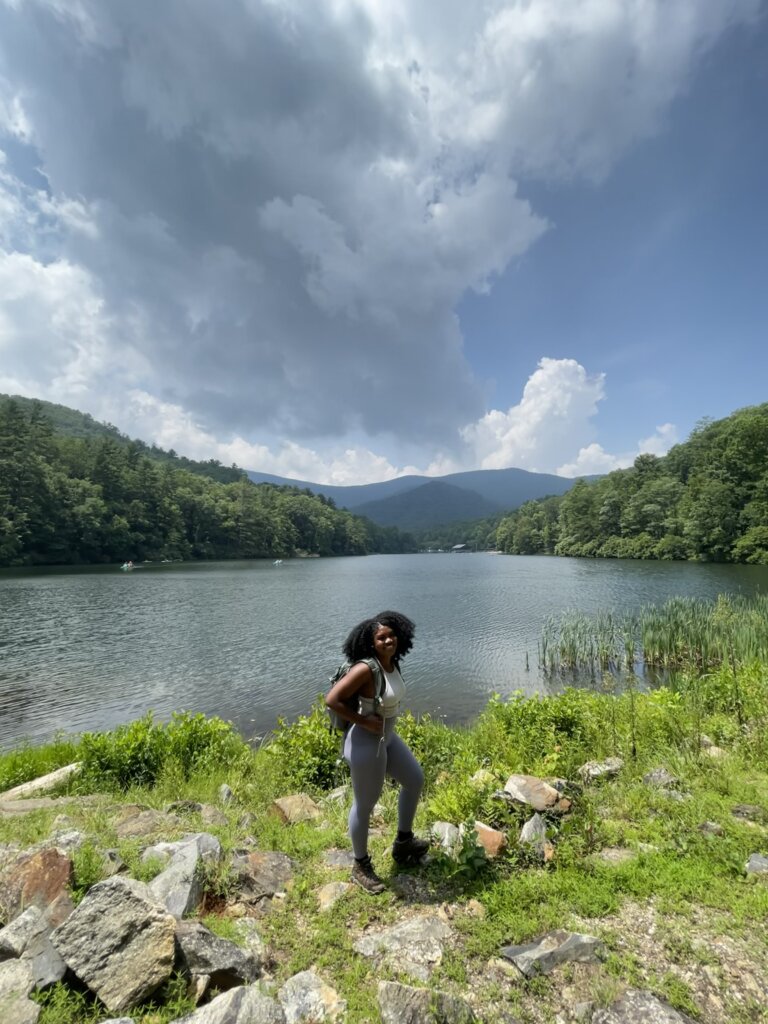
Once you’ve got your outfit together, the next thing to think about is what you’ll carry with you. I always say comfort on the trail isn’t just about what to wear hiking, it’s also about having the right gear to keep you feeling good from start to finish.
First up: water. Whether you’re doing a short nature walk or pushing through a longer trail, staying hydrated is non-negotiable. A hydration pack is great for hands-free sipping (especially if you’re hiking in hot, humid weather), but an insulated water bottle can work just as well—just make sure you bring enough.
You’ll also want a lightweight backpack to carry a few basics. Nothing heavy or bulky—just something comfortable with enough room for your water, snacks, maybe a light jacket or extra layer, and the little things that make the hike smoother. I always keep a small first aid kit in mine, because you never know when a blister, scrape, or headache might pop up. Something simple with band-aids, pain relievers, and blister pads is usually all you need for day hikes.
ALSO READ: What To Pack When Hiking
Bug spray and sunscreen are two more essentials I never hit the trail without. Even if it’s cloudy, sun exposure adds up fast—especially on open trails or at higher elevations. I like using a spray or face-specific SPF that’s easy to reapply. As for bug spray? You’ll thank yourself later. Some trails, especially in the Southeast, can annoy you the whole way with bugs, and nothing ruins a peaceful hike faster than getting swarmed by mosquitos.
A few of my favorites are:
At the end of the day, the best hiking setup isn’t about having the most expensive gear—it’s about being prepared and comfortable so you can enjoy yourself out there. Think light layers, breathable fabrics, and a small backpack with just enough to keep you feeling your best. That’s the real secret when people ask about what to wear hiking. It’s not just the outfit, it’s the whole experience.
