

Post Summary – camping for beginners
There’s a kind of peace that only the outdoors can give you. No pings, no emails, no endless scrolling — just the crackle of the fire, the smell of truly fresh air, and that slow, healing experience of being outside. It’s a reset that so many of us didn’t even know we needed.
But let’s be real — camping for beginners can feel… a little overwhelming. What gear do you actually need? How do you stay warm? And how do you avoid showing up completely unprepared?
That’s why I put together this camping for beginners guide — to help you go from “where do I even start?” to “okay, I’ve got this.” Whether you’re planning your very first camping trip or just want to feel more confident outdoors, this post breaks down the gear, the campsite tips, and the little hacks that make your first time out so much smoother.
What to Pack: Camping Must-Haves for Beginners
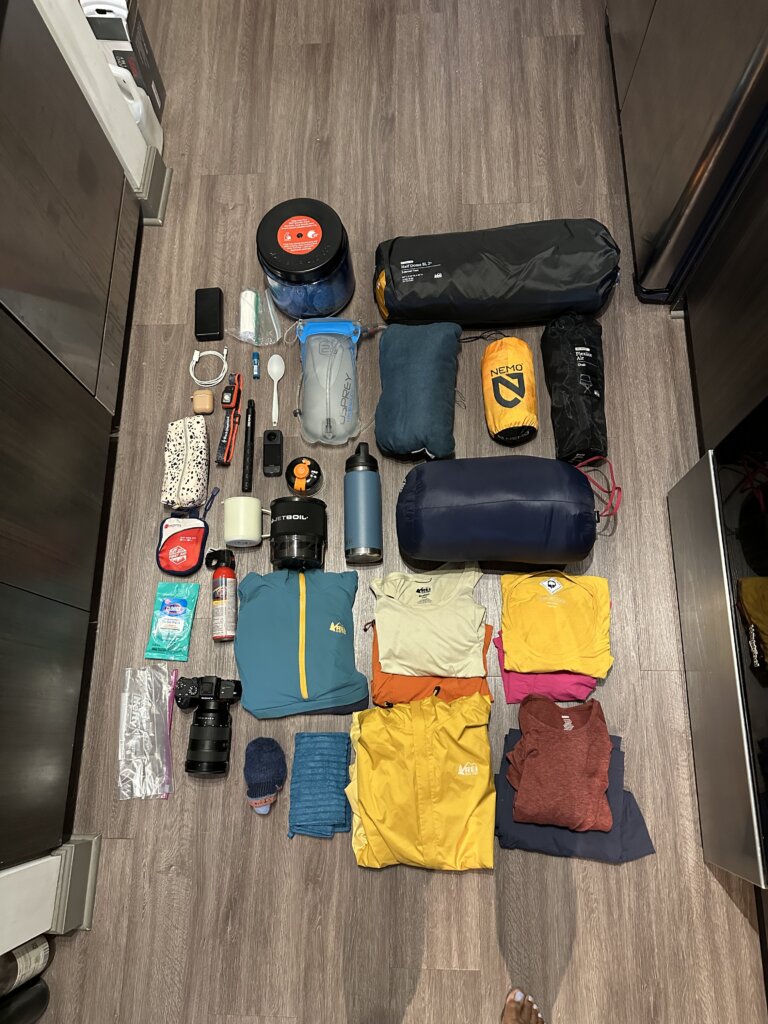
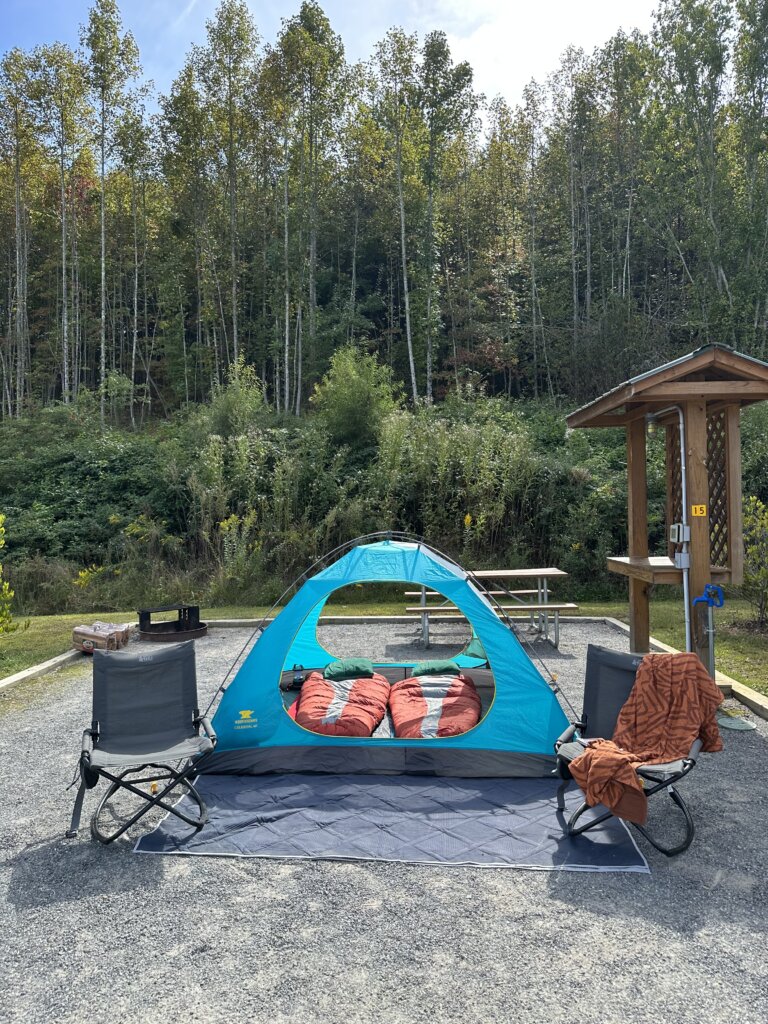
Let’s keep it simple. These are the must-haves that will make or break your camping experience.
🏕 1. A Tent You Can Actually Set Up
Your tent is your little home away from home. For camping for beginners, look for a freestanding tent that’s easy to pitch, even on uneven ground. Make sure it fits your group (if it says 2-person, that’s a tight squeeze!) and comes with a rainfly for unexpected weather.
Pro tip: tents with color-coded poles are a lifesaver when you’re setting up for the first time.
😴 2. Sleeping Bag + Sleeping Pad Combo
Even in the summer, temps can dip low at night. Look for a sleeping bag rated a few degrees colder than the nighttime forecast. And don’t skip the sleeping pad — it’s a must for warmth and comfort, especially when camping for beginners.
🍳 3. Camp Stove + Basic Cookware
Cooking doesn’t have to be complicated. A small propane stove with push-button ignition is perfect. Add a pot, a pan, utensils, and a lighter — and you’re good to go.
Bonus points if you meal prep before the trip. Think foil pack dinners, chili, or breakfast burritos ready to reheat over the fire.
🔦 4. Lights You Don’t Have to Hold
Bring a headlamp and a lantern. When you’re camping, you’ll quickly realize how dark it gets in the woods. Rechargeable lights are great, but pack extra batteries just in case.
🧊 5. Cooler + Food Storage
Whether you’re packing burgers or just want a cold drink, a reliable cooler is key. If you’re camping for beginners, look for something easy to carry and durable. And if you’re in bear country, you’ll need a bear-proof container or access to a campground food locker.
🩹 6. First Aid Kit
This one’s essential. Grab a ready-made camping first aid kit and add your own meds, allergy stuff, and bug spray. Especially for camping for beginners, being prepared makes a big difference if anything goes sideways. You know what they say… better safe than sorry!
🪑 7. Other Essentials That Make It Cozy
- Camp chairs – You’ll want a comfy spot by the fire.
- Biodegradable wipes + soap – Staying semi-clean is possible.
- Clothing layers – Nights are colder than you think.
- Water jug + hydration system – Bring more than you think you’ll need.
- Trash bags – Leave no trace, always.
Choosing Your First Campsite
Finding the right spot is half the battle when camping for beginners. You want a place that feels safe, easy to navigate, and not too far off the grid. The goal isn’t to prove how “outdoorsy” you are — it’s to build confidence, feel comfortable, and actually enjoy yourself.
A good campsite can make your first experience feel like a fun escape instead of a stressful learning curve. Here’s how to keep it easy:
📍 Start Local
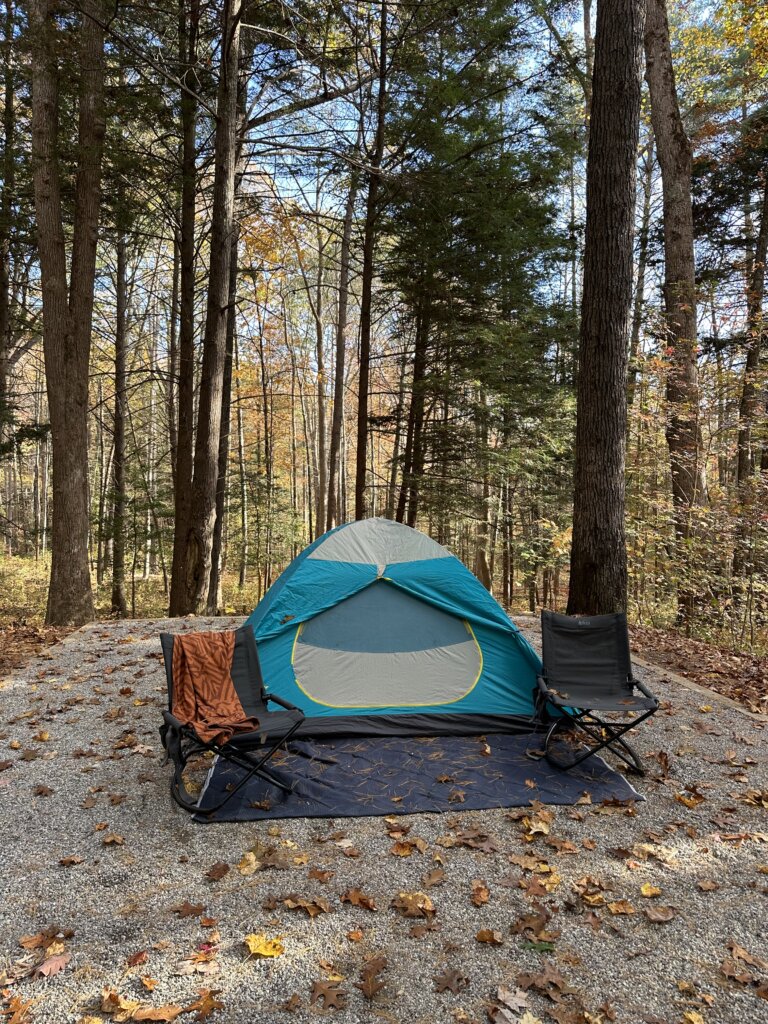
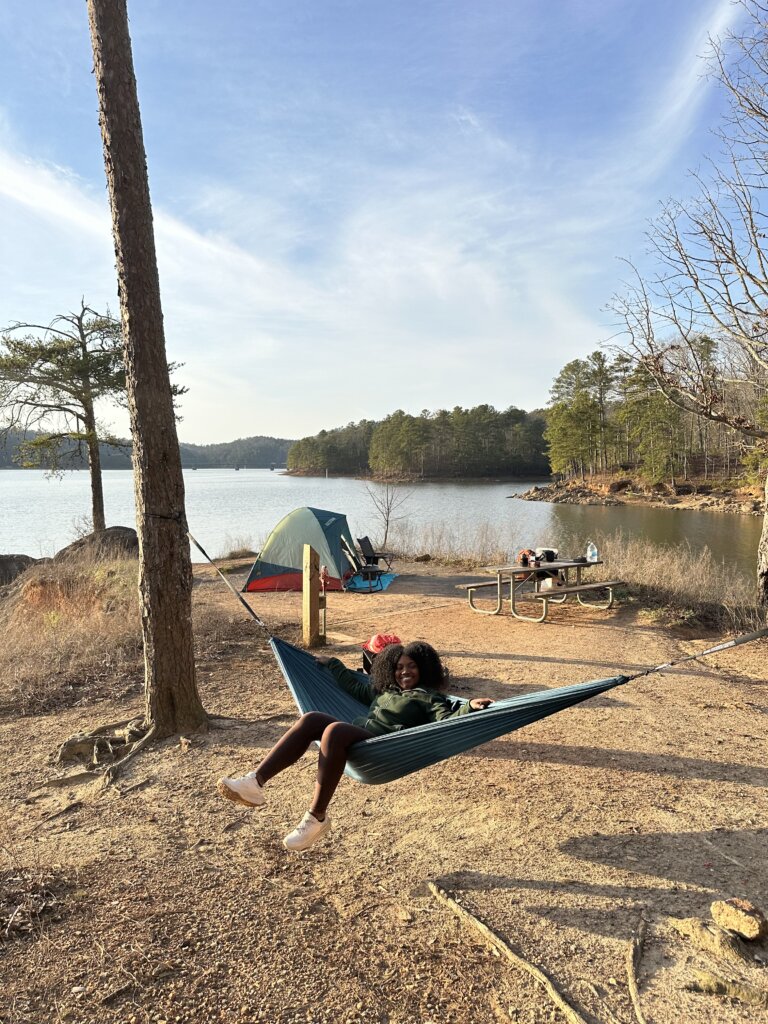
Don’t overthink it. For your first time, camping for beginners is best done close to home. That way if you forget something important, you’re not stuck hours away.
Check out state parks or national forests within a 1–2 hour drive. Many have restrooms, water, and flat spots perfect for beginners.
ALSO READ: Best State Parks in Georgia
🛑 Reserve Ahead of Time
Sites fill up fast, especially in summer. Use Recreation.gov or Hipcamp to book your spot. Look for sites labeled “shaded,” “flat,” and “near restrooms” — these are ideal sites for beginners. A shaded site keeps your tent cooler during the day, flat ground makes setup easier (and sleeping more comfortable), and being close to a bathroom is so convenient, especially in the middle of the night.
⛺ Know the Types of Campgrounds
- Frontcountry: Drive-up sites with basic amenities. Ideal for first-timers.
- Backcountry: Hike-in only, no restrooms. Save this for later.
- Dispersed: No official site or services. Best for experienced campers.
When camping for beginners, frontcountry is the move. You’ll have access to restrooms, running water, and designated fire pits — all things that make a huge difference when you’re still getting the hang of outdoor life. It’s the perfect balance of nature and convenience, so you can focus more on making memories and less on survival mode.
🔍 Read Reviews and Look at Photos
Search up your campground on Google or The Dyrt and see real photos and reviews to help set expectations. This is especially helpful for things like bugs, noise, or bathroom cleanliness. You’ll get a feel for the vibe of the site and can avoid any unpleasant surprises.
Plus, past campers often share helpful tips that aren’t listed on the official site — like the best spots for sunrise or which sites are more private.
Game-Changing Tips for First-Time Campers
A few simple hacks can make camping for beginners feel way less chaotic. It’s all about working smarter, not harder. A little preparation goes a long way in helping you stay organized, relaxed, and actually able to enjoy the experience. These small adjustments can turn your first trip from stressful to smooth:
🏡 Practice at Home
Set up your tent in the backyard or living room before you go. Knowing how your gear works makes setup faster and helps avoid first-night stress.
Plus, it gives you a chance to double-check that you have all the parts (tent stakes go missing more often than you’d think) and that nothing is damaged or confusing to use. A quick test run builds confidence — and saves you from fumbling with instructions in the dark.
☀️ Get There Early
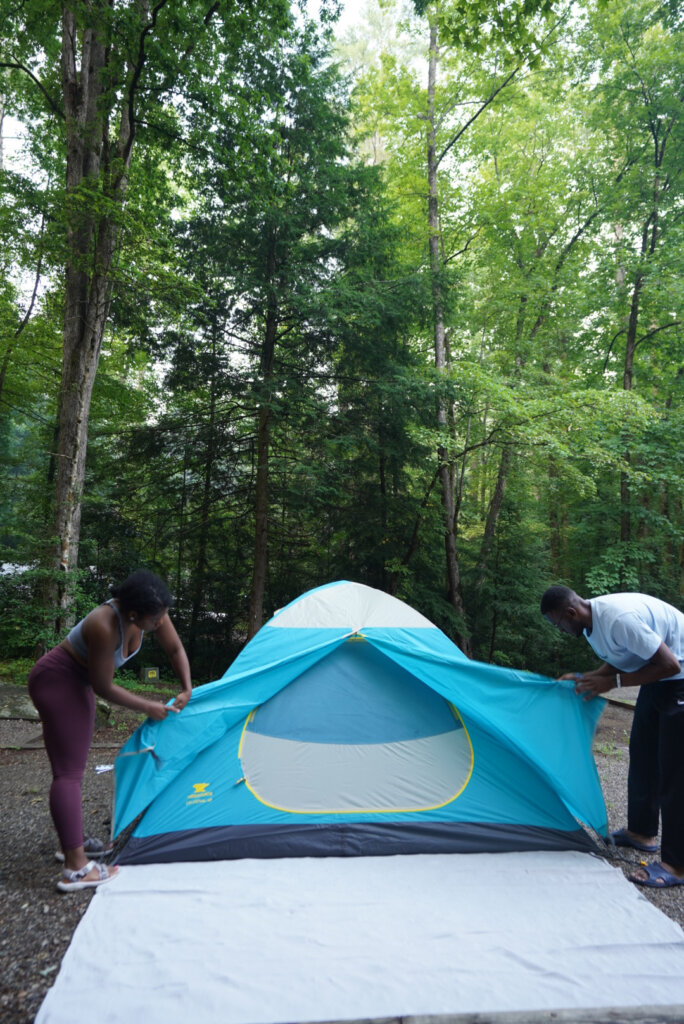
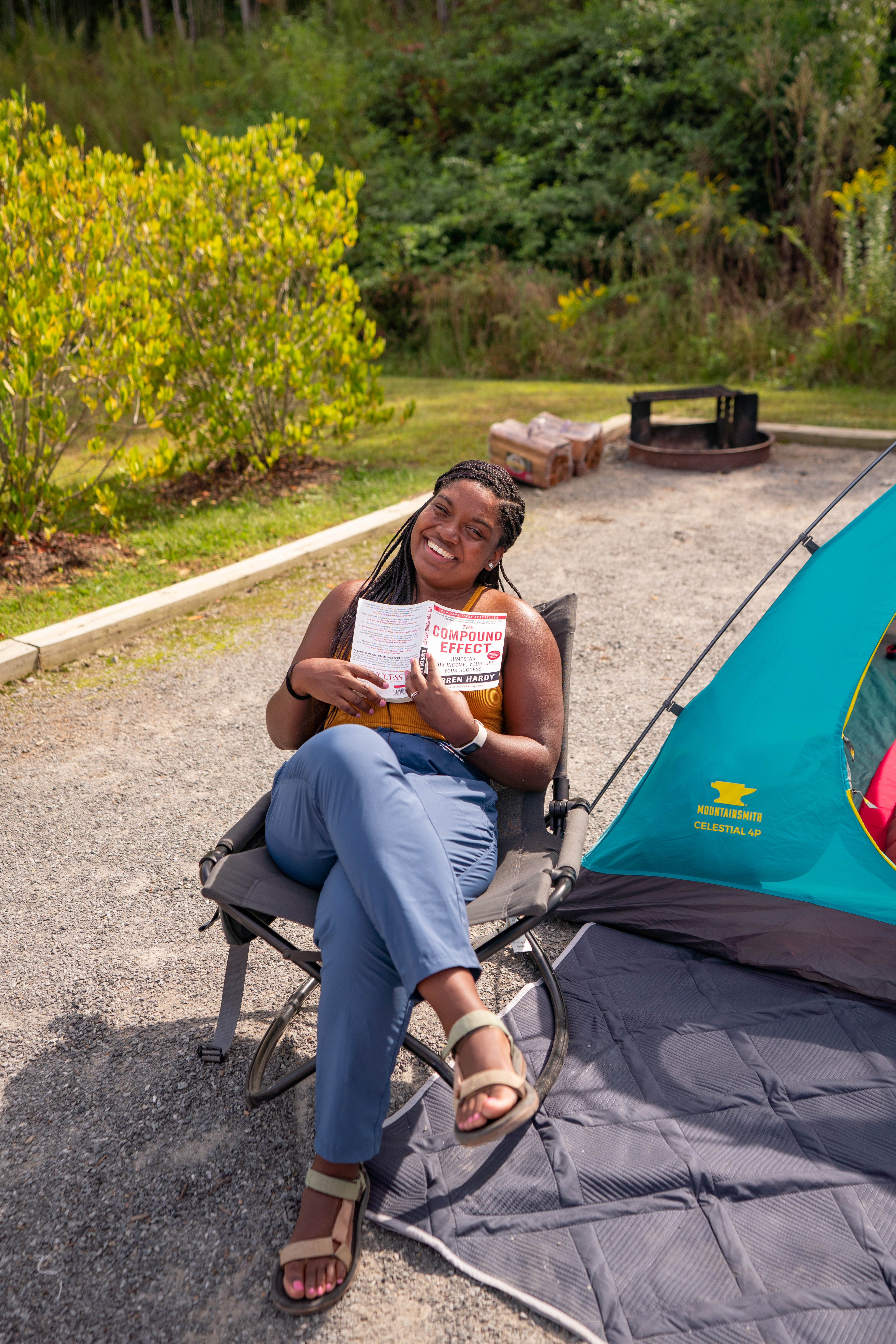
Arriving while it’s still light out gives you time to get settled, pick a good spot, and enjoy your first evening without rushing. For camping for beginners, this one’s a must.
Setting up camp in daylight not only makes things easier logistically, but it also helps ease any nerves. You’ll have time to explore the area, get familiar with your surroundings, and start the trip feeling calm and prepared.
🍽️ Meal Prep Ahead of Time
Do yourself a favor and prep meals before your trip. Even just chopping veggies or marinating meat ahead of time makes camping for beginners feel way more chill.
🧥 Bring Extra Layers
Temperatures can drop fast once the sun goes down, especially in the mountains or near water. Even in the middle of summer, it’s smart to pack for cooler evenings. Layers are your best friend when camping for beginners.
A cozy fleece, thick socks, and a warm beanie can make all the difference when you’re sitting around the fire or trying to sleep comfortably in your tent.
🃏 Bring the Fun
Camping isn’t just about setup and survival — it’s about enjoying yourself, too. Bring a deck of cards, a good book, a Bluetooth speaker for low-key tunes, or even a hammock to lounge in.
Whether you’re stargazing, journaling, or just kicking back by the fire, camping for beginners should still feel fun, cozy, and low-pressure. Little comforts like these make your time outdoors feel more like a getaway and less like a chore.
🌱 Respect the Land
Always follow Leave No Trace principles. That means packing out what you pack in, sticking to established trails, and leaving your campsite better than you found it. Respecting the land is part of the outdoor experience — it keeps nature beautiful and accessible for everyone who comes after you.
Especially when camping for beginners, it’s important to start with good habits that protect the spaces we love to explore.
Final Thoughts


Camping for beginners doesn’t have to feel overwhelming. With the right gear, a little prep, and the mindset that it’s okay to figure things out along the way, you’re already on the right track. You don’t need to be a hardcore backpacker or have all the fancy equipment — you just need a willingness to try something new and enjoy the ride.
Start close to home. Keep it simple. Give yourself grace. And don’t forget the marshmallows — because you’ll definitely want to reward yourself with this sweet treat on your first night of camping!
